Mar 19, 2026
Creativity
The Creative Desk
summary
An observation of how a creative desk reflects personal habits, evolving ideas, and the rhythm of a project. It explores how physical references, flexible zones, and thoughtful organization can support memory, experimentation, and focused production.
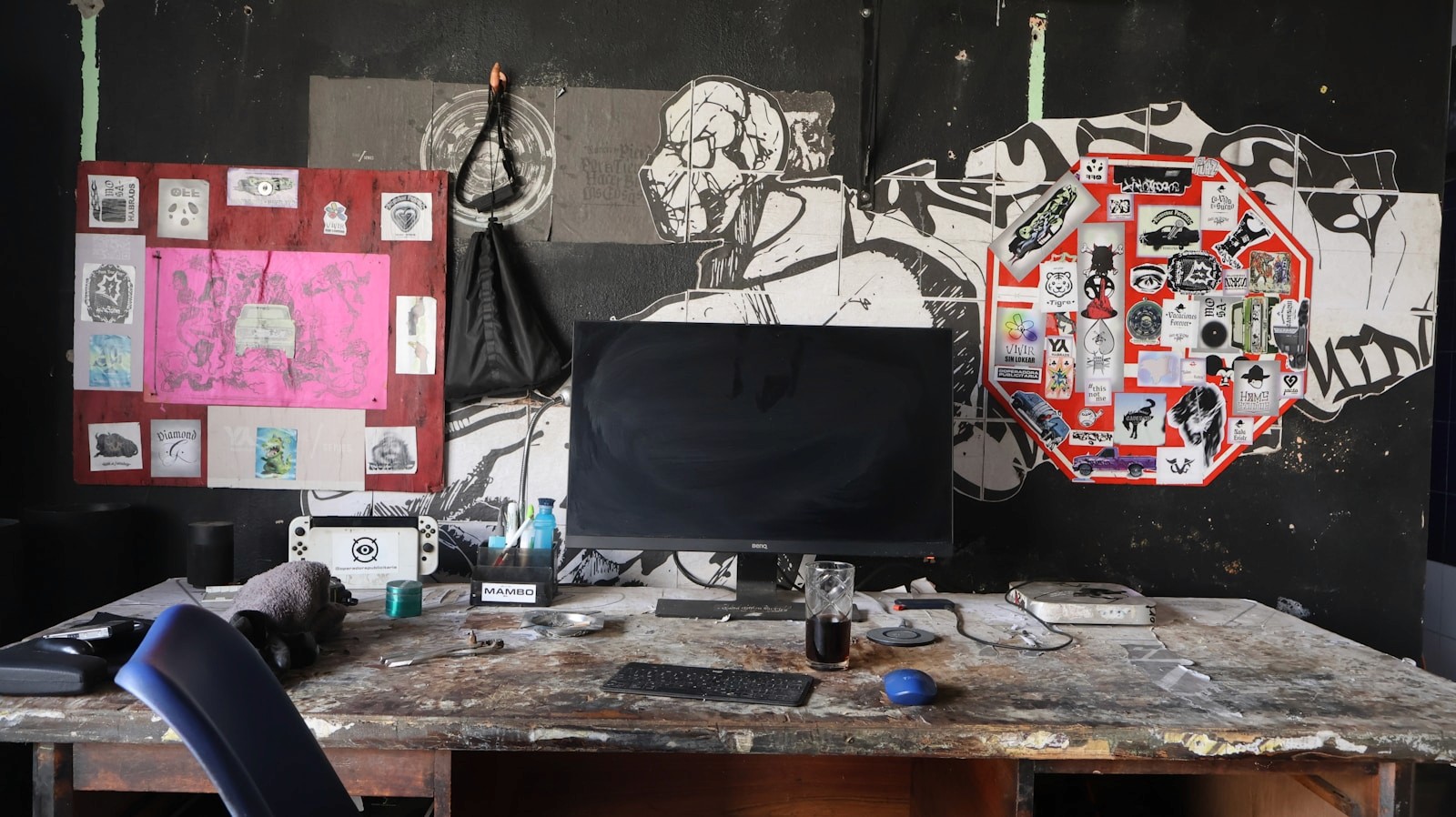
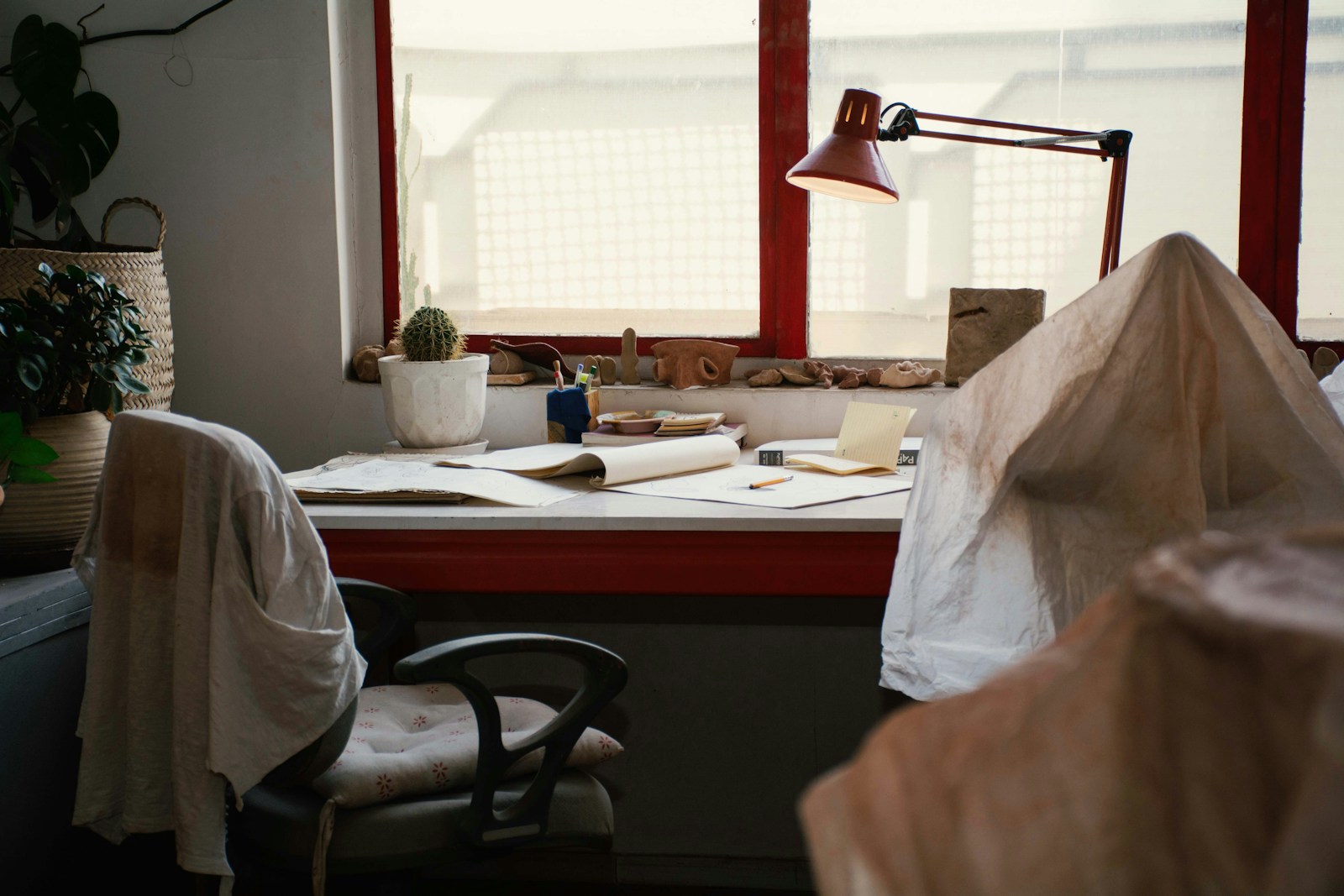
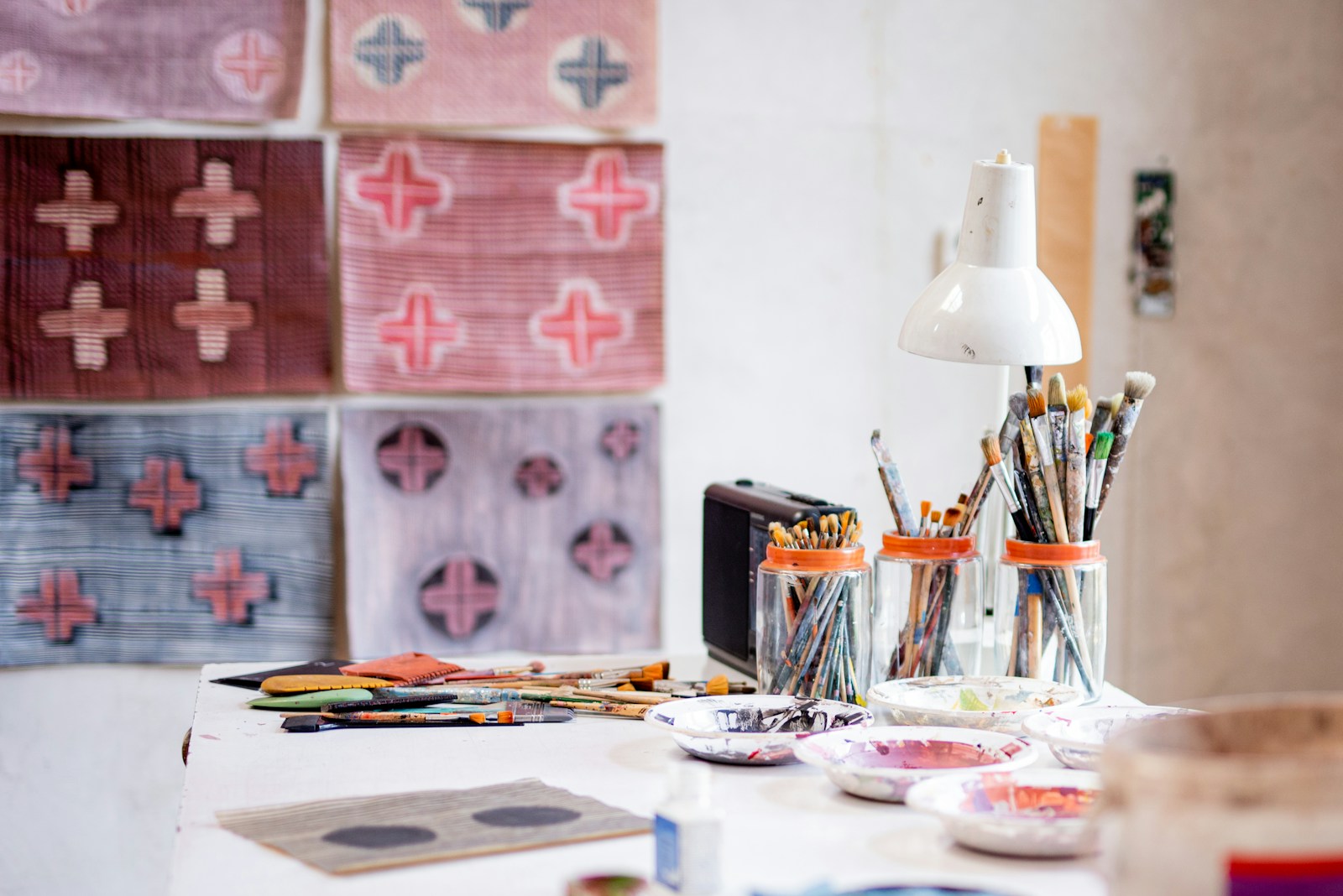
A desk is a small map of the creative process. Open books, written notes, and early experiments reveal how many directions an idea explored before taking shape. Selective disorder can be a sign of a mind connecting many layers of information.
The goal is not to keep everything perfect. It is to know where each necessary tool can be found. A good personal system allows a creative person to move quickly between thought and action. Every object has a place, yet that place remains flexible enough to adapt to the current project.
At the end of the day, arranging the desk is also a way to close the stream of thought. Anything that needs attention tomorrow remains visible, while completed work is put away. This small ritual creates a clear stopping point and prepares the mind for a new day.
Different stages of a project ask for different kinds of space. Early exploration benefits from visible references, loose sketches, and materials that invite experimentation. Later stages need fewer distractions and a clearer path toward completion. Allowing the desk to change with the work can support both modes. The goal is not a permanent arrangement, but an environment that reflects the question currently being answered.
Physical objects can also protect ideas from disappearing into digital systems. A printed image stays visible without needing to be searched for. A handwritten note carries the speed and emotion of the moment it was made. These artifacts create a persistent field of attention around the project. They invite unexpected connections because several ideas can remain present at once, each waiting to be compared with the others.
A useful desk is ultimately personal. Some people think clearly in an almost empty space, while others need a rich collection of references within view. Neither approach is universally correct. The important question is whether the arrangement helps ideas move into action. When the answer is yes, the desk becomes more than furniture. It becomes an active part of the creative method.
A Surface for Thinking
A creative desk supports thought by keeping ideas close enough to compare. A sketch beside a printed photograph can reveal a shared shape. A material sample placed near a color study can suggest a new direction. These relationships are difficult to predict in advance. They emerge because the physical surface allows several forms of information to remain visible together.
The arrangement also provides a form of external memory. Instead of holding every detail in the mind, the designer can place unfinished thoughts in space. Their position becomes meaningful. Items near the center demand attention, while references at the edge remain available without interrupting the current task. The desk becomes a quiet interface for managing creative attention.
Create Zones for Different Actions
Reserve one area for focused production and another for references or experiments. Keep frequently used tools easy to reach and move inactive material away from the main surface. This simple separation reduces visual competition while preserving access to inspiration. The system should remain loose enough to change whenever the project enters a new stage.
The Desk as a Creative Portrait
Over time, a desk becomes a portrait of its owner. The tools reveal preferred methods, the references reveal curiosity, and the worn surfaces reveal repeated effort. Its value is not measured by perfect order. It is measured by how well the space helps a person notice, connect, decide, and make.